In today’s rapidly evolving business environment, the concept of social learning has emerged as a crucial element in workplace development and success. Social learning, the process of acquiring knowledge and skills through social interactions, collaboration, and observation, has profound implications for how organisations approach training and employee engagement.
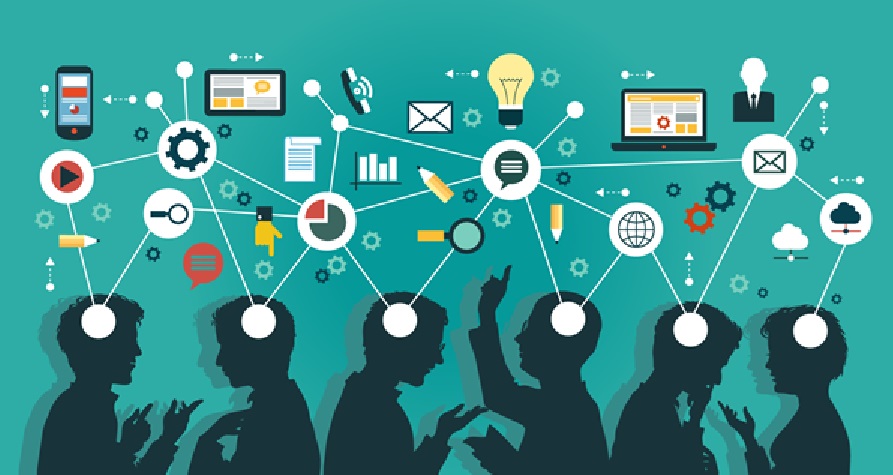
The Rise of Social Learning
Traditionally, workplace training relied heavily on formal methods such as presentations, workshops, written manuals, and so on. However, these methods often lack the flexibility and immediacy needed in today’s fast-paced world. Social learning addresses these challenges by leveraging the informal, dynamic nature of peer-to-peer interactions. With the advent of digital communication tools, social learning has gained momentum, allowing employees to share insights, solve problems collaboratively, and learn from each other in real time.
Enhanced Collaboration and Knowledge Sharing
One of the most significant impacts of social learning is the enhancement of collaboration within teams. In the modern workplace, where remote and hybrid work arrangements are increasingly common, fostering a culture of collaboration is essential. Social learning tools, such as internal social networks, collaborative platforms, and discussion forums, enable employees to connect regardless of their physical location. This connectivity facilitates the exchange of ideas, accelerates problem-solving, and fosters innovation.
For example, platforms like Microsoft Teams and Slack have transformed the way employees interact, enabling instant communication and the sharing of expertise across departments. By engaging in discussions, sharing experiences, and providing feedback, employees not only gain knowledge but also develop a deeper understanding of their colleagues’ skills and perspectives. This collective intelligence is a valuable asset, driving the organisation’s growth and adaptability.
Continuous Learning and Development
Social learning also supports continuous learning, a critical component in keeping up with industry advancements and technological changes. Unlike traditional training programs that may be periodic and time-consuming, social learning encourages ongoing development through everyday interactions. Employees can access resources, participate in online communities, and seek advice from peers at any time.
This continuous learning environment helps employees stay current with new tools, techniques, and best practices. For instance, employees might learn about new software features or industry trends through discussions in a company forum or by participating in knowledge-sharing sessions hosted by colleagues. This approach not only enhances individual skills but also contributes to the overall competence of the team.
Increased Engagement and Motivation
Another benefit of social learning is its positive impact on employee engagement and motivation. When employees are encouraged to learn from one another and share their expertise, they feel valued and recognised for their contributions. This sense of belonging and purpose can significantly enhance job satisfaction and motivation.
Furthermore, social learning fosters a culture of mutual support and encouragement. Employees are more likely to be motivated when they see their peers actively participating in learning activities and when they receive constructive feedback. This supportive environment helps build a more cohesive and engaged workforce, which is crucial for maintaining high performance and morale.
Challenges and Considerations
Despite its advantages, social learning is not without challenges. Ensuring that all employees have equal access to social learning opportunities and managing the quality of information shared are important considerations. Organisations must implement effective strategies to address these issues, such as providing training on how to use social learning tools effectively and curating relevant content to prevent misinformation.
In Summary
Social learning has a transformative impact on the modern workplace by enhancing collaboration, supporting continuous development, and boosting engagement. As organisations continue to adapt to new ways of working, integrating social learning into their strategies will be key to fostering a dynamic, knowledgeable, and motivated workforce. Embracing social learning is not just about adopting new tools but also about cultivating a culture that values and promotes shared learning and growth.
If you have a Learning & Development article you’d like to share, please send it to AustralianLDN@yahoo.com.au.
Our Sponsors:
The Australian Learning & Development Network’s events and resources are available free of charge to our members due to the generous support of our sponsors. As such, if you’re looking for any externally provided capability development services, we kindly ask that you contact them to discuss your needs.
- James Cook University, Brisbane – Post-Graduate Qualifications and Executive Development Short Courses
- Frontline Management Training Australia – Purpose-Built Leadership and Management Training for Frontline Managers and Staff
- Australian Public Sector Training – Leadership and Management Training Specifically for People Working in Public Sector Organisations
- Executive Development Australia – Inspiring Executive Excellence
- Tanner James – Enhancing your Program and Project Management Capability through Practical Best Practice Training and Coaching.



 Learning Matters - The Australian Learning & Development Network Magazine